From the lanes of Amritsar to a table in Sydney
A city that feeds everyone who walks through its gates, a clay oven that never cools, and the people who brought both here.
The people in the kitchen
Every restaurant begins with someone who could not find the food they grew up with. For us that someone is [owner's name], who grew up [in or near Amritsar, and the family's story]. Sydney gave them a home, but the kulcha was never right, the chole never dark enough, the lassi never thick enough to stand a spoon in.
So they built the kitchen they missed. At the tandoor is [head chef's name], who learned to cook [where and how the chef trained]. In the kitchen, the rules are simple: the dal is never hurried, the bread is baked to order, and nobody leaves hungry.
We opened Amritsar Junction in [year] in [Suburb], and we have been feeding families, students, office crowds and wedding parties ever since. Many of our regulars came for one dish and now order without opening the menu.

Why Amritsar?
Amritsar is a city that cooks for strangers. At its heart stands the Harmandir Sahib, the Golden Temple, whose community kitchen, the langar, serves a free meal to tens of thousands of people every day. Anyone may sit on the floor in a row and be fed dal and roti, whatever their faith, their wealth or where they have come from. That spirit of feeding everyone generously runs through every dhaba in the city.
Amritsar also sits on the Grand Trunk Road, one of Asia's oldest highways, and centuries of travellers, traders and soldiers have passed through it. The city learned to feed people quickly and well: kulchas from clay ovens at dawn, batter-fried fish by the river in winter, chole simmering in huge brass pots and lassi in glasses so tall they come with a spoon.
Our name is a nod to all of that. A junction is where roads meet. Ours is where Amritsar's food meets Sydney.
How we cook
The tandoor
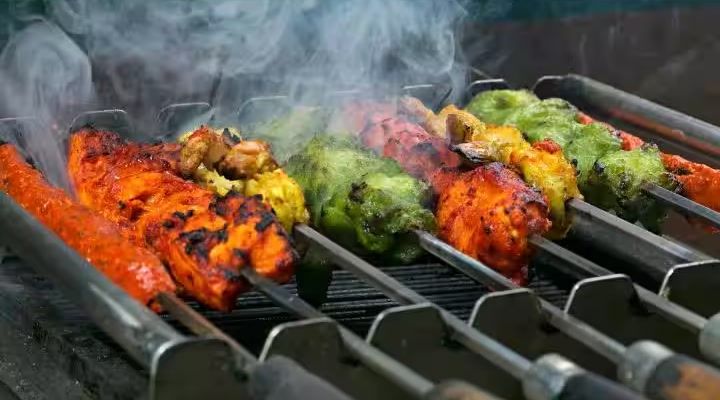
The clay oven is the centre of our kitchen. Breads are slapped against its walls and peeled off blistered and smoky. Paneer, chicken, lamb and fish go in on long iron skewers and come out charred at the edges and juicy within. No grill or pan gives the same flavour.
Slow pots
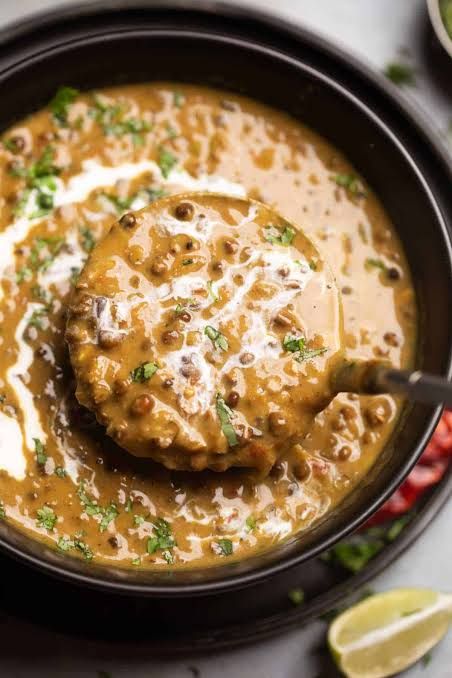
Some dishes cannot be rushed. Our dal makhani simmers low for hours until the black lentils turn to velvet. Sarson ka saag cooks down slowly until the mustard greens are silky. Amritsari chole get their deep colour and tang from tea leaves and dried pomegranate, the old way.
Butter, ghee and fresh spice
We finish our dishes the way Punjabi homes do: a spoon of white butter on the saag, a sizzle of ghee over the dal, and spices roasted and ground in our own kitchen. It is not light food. It is generous food.